

 Back to
Topics
Back to
Topics



Author-Maria Thompson

Last updated-Dec 31, 2025
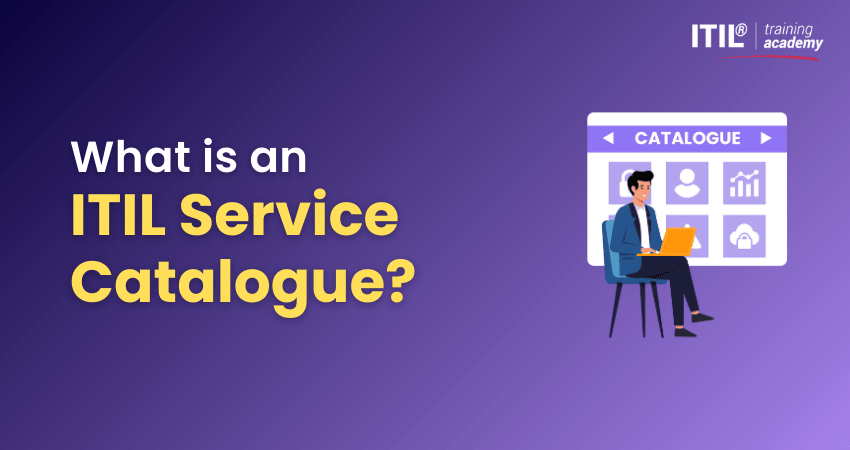
With something as complex as IT Services, what's required is a well-organised system that quietly keeps services running. An ITIL Service Catalogue performs this exact task to keep things simplified. It acts as a central hub, clearly presenting what IT offers, how the services work and how they are requested.
More than a mere list, it bridges IT teams and the users by improving transparency, efficiency and trust. In this comprehensive blog, we’ll break down what an ITIL Service Catalogue is, why it matters and how it can transform your IT operations. So read on and turn your IT operations into a benchmark of seamlessness!
What is an ITIL Service Catalogue?
An ITIL Service Catalogue refers to a centralised repository that lists all the IT Services offered by an organisation. It acts as a single reference point for both service providers and users. It details available services, including descriptions, costs and Service Level Agreements (SLAs). The Service Catalogue improves clarity and communication by helping users understand which services are available, how to request them and what level of service they can expect.

What is the History of the ITIL Service Catalogue?
These points encapsulate the history of ITIL Service Catalogue:
1) Growing Reliance on IT Services: Organisations increased their use of IT in core operations and customer services toward the end of the last century. Hence, the need for structured documentation of IT resources became clear.
2) Need for Visibility and Control: Managing the expanding IT Services underscored the importance of having a clear record of available services and how they are delivered.
3) Roots in ITIL: The ITIL Service Catalogue emerged from the Information Technology Infrastructure Library (ITIL). ITIL was established in the 1980s and provides a standardised framework for managing IT Services.
4) Formal Introduction in ITIL v3: The IT Service catalogue was officially introduced in 2007 as an IT Service Management best practice under ITIL v3.
5) Widespread Adoption: Since then, organisations have increasingly relied on service catalogues to improve operational efficiency and user satisfaction.
6) Evolution With ITIL updates: Subsequent ITIL versions, including later refinements and ITIL® 4, continue to integrate service catalogue practices within broader service lifecycle approaches.
How to Build an ITIL Service Catalogue?
Developing a proper ITIL Service Catalogue involves the following steps:
1) Identify Services: List all the IT Services offered by the organisation. This could include email services, application support, Network Management and infrastructure services.
2) Define Service Descriptions: Create detailed descriptions for each service. They should explain what is included, key features and any requirements.
3) Set Service Level Agreements (SLAs): Establish SLAs that outline expected service levels. This should include response times, availability and performance standards.
4) Determine Service Costs: Assess the costs linked to each service, covering setup fees, ongoing charges and any additional expenses.
5) Design the Catalogue Structure: Group services into logical categories to ensure easy navigation and quick access to information.
6) Create a User-friendly Interface: Provide access through an intuitive platform such as a self-service portal or intranet site.
7) Review and Update Regularly: Maintain accuracy by reviewing and updating the Service Catalogue frequently to reflect changes in services or service levels.
What Should be Included in a ITIL Service Catalogue?
When building a service catalogue, it is important to include relevant details and avoid unnecessary complexity. The key elements to include are:
1) Service Name: Have a clear and consistent name that follows an intuitive naming convention, allowing users to understand the purpose of the service easily.
2) Service Category: Focus on the classification of the service, such as hardware, software, email or Data Management, to support easy navigation.
3) Service Description: Give a detailed explanation of what the service offers beyond the service name.
4) Service Owner: Mention the team or individual responsible for delivering and managing the service.
5) Service Availability: Gather information on whether the service is currently available, temporarily unavailable or subject to scheduled access.
6) Service Level Agreements (SLAs): Outline these defined expectations around service performance, response times and availability agreed between provider and user.
7) Service Costs: Take a breakdown of any associated costs or charges, where applicable.
Reduce costs with the art of smart Asset management - Sign up for our ITIL® 4 Practitioner: IT Asset Management Training now!
What are the Benefits of an ITIL Service Catalogue?
Using an ITIL Service Catalogue offers several advantages for an organisation. The key benefits include the following:
1. Greater Transparency
It offers clear visibility into all available IT Services, including descriptions and costs, helping users understand what is offered. This clarity reduces confusion and minimises unnecessary enquiries to IT teams.
2) More User-friendly Experience
Bringing all the IT Service information into a single platform removes common barriers to submitting requests. An IT Service catalogue helps users easily select services, without needing to understand the underlying processes that deliver them.
3) Increased Productivity
Integrating automation into an IT Service catalogue enables requests to progress with reduced manual IT involvement. Routine requests are handled automatically, allowing teams to focus their effort on more strategic, value-driven activities.
4) Effective Cost Control
By detailing service-related costs, organisations gain improved insight into IT spending and Cost Management. This supports budgeting decisions and helps prevent unexpected expenses.
5) Higher User Satisfaction
Users benefit from clear expectations around service availability and performance, leading to improved confidence and satisfaction. Well-informed users are less likely to experience frustration or unmet expectations.
6) Simplified Service Requests
A centralised platform makes it easier for users to find information and submit service requests efficiently, supporting faster fulfilment times. This reduces manual effort and speeds up request fulfilment times.
7) Stronger Alignment with Business Goals
The Service Catalogue clarifies how IT Services support business objectives, ensuring closer alignment between IT operations and organisational strategy. As a result, IT Services deliver greater business value and a more measurable impact.
8) Improved Resource Utilisation
Demand insights help IT teams allocate resources more effectively and identify where additional support is required. This enables proactive planning rather than reactive problem-solving.
9) Better Service Quality
Standardised service descriptions support consistent service delivery and help maintain high quality across IT Services. This consistency ensures users receive the same level of service regardless of who fulfils the request.
Best Practices for Creating an ITIL Service Catalogue
The following ITIL Service Catalogue best practices will help you ensure long-term value and usability:
1) Understand User Requirements: Collect insights directly from end users to understand their expectations and challenges.
2) Define the Purpose and Scope Clearly: Make sure all the stakeholders understand the objectives of the service catalogue.
3) Create a Structured and Organised Framework: Have a clear structure that simplifies maintenance, updates and ongoing management.
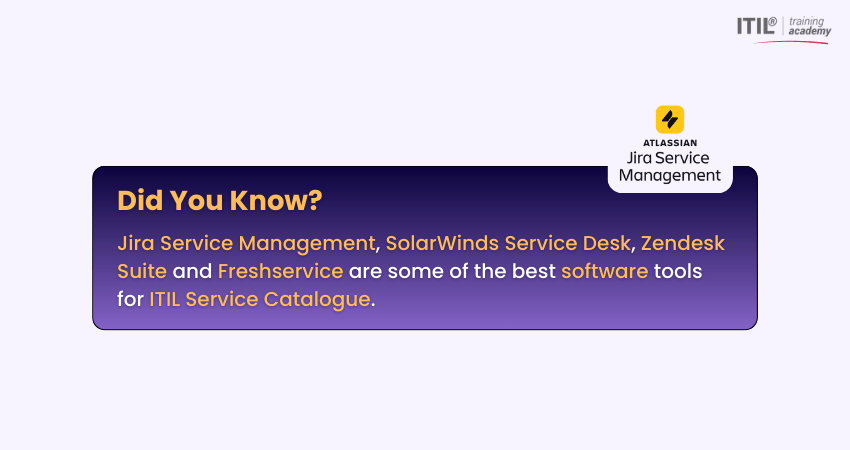
4) Use a Service Management Platform: Use tools such as Jira Service Management that support scalability and efficient service delivery.
5) Integrate With Existing ITSM Tools and Systems: Seamless integration ensures consistency across IT Service Management processes.
6) Test and Refine for Effectiveness: Gather the feedback from users and make improvements accordingly.
7) Review and Improve Continuously: Regularly assess the catalogue to ensure it stays aligned with evolving user needs and organisational objectives.
Conclusion
An ITIL Service Catalogue brings a transformative touch to how organisations connect with IT Services. By bringing structure and accessibility to service delivery, it empowers users and supports smarter decision-making. When designed well, it goes beyond mere documentation and becomes a strategic tool that strengthens efficiency and collaboration across the entire organisation.
Take charge in shaping the Future of IT Services with our ITIL® 4 Practice Manager (PM) Course - Sign up now!
Most Recent
Date - Jan 6, 2026
Date - Jan 5, 2025
Date - Jan 6, 2026